Can Bronze Be Refinished to Look Like Stainless Steel?
Article

Can Bronze Be Refinished to Look Like Stainless Steel?

If you’re wondering whether you can convert bronze to stainless steel, the short answer is: not literally. Bronze and stainless steel are different metals, so the underlying bronze cannot be chemically transformed into stainless steel. However, an existing bronze metal surface can often be professionally refinished to achieve the color, texture and appearance of stainless steel.

For commercial property owners and facility teams, this opens up another option when an existing bronze finish looks dated, no longer matches a building’s design or has accumulated scratches, oxidation and other signs of wear. Rather than automatically removing and replacing otherwise serviceable architectural metal, it may be possible to change its visible finish.

At a glance

  • Finish conversion changes the appearance of the surface, not the base metal.
  • Many architectural bronze surfaces may be candidates for professional refinishing.
  • Refinishing can allow existing components to remain in place rather than replacing them with new stainless steel, which comes with considerable financial costs.
  • The right approach depends on the metal, condition, application, environment and desired finish.

Stuart Dean provides metal restoration services for commercial and institutional properties, helping owners restore, refinish and maintain architectural metals while preserving existing assets where appropriate.

Bronze Can Be Refinished to Achieve a Stainless Steel Appearance

Bronze and stainless steel have fundamentally different compositions. Bronze is primarily a copper alloy, while stainless steel is an iron-based alloy containing chromium. Changing the appearance of bronze therefore doesn’t change the underlying material itself.

Instead, professional architectural metal refinishing focuses on the visible surface. Depending on the condition and application, the existing bronze may be treated and refinished to create the silver-toned color and texture associated with stainless steel.

This distinction matters because “converting” bronze to stainless steel can mean very different things depending on the context. Searches for the term can lead to information about joining dissimilar metals, brazing, silver solder, plating, painting or DIY metal treatments. Those processes aren’t the same as professionally refinishing architectural metal in a commercial building.

For building owners, the question is usually much more practical: Can we make this existing bronze look like stainless steel without replacing it, while reducing the cost of conversion?

In many cases, the answer may be yes. But the appropriate metal restoration approach depends on factors such as the base metal, existing finish, surface condition, environmental exposure and desired final appearance. A professional assessment can determine whether the existing metal is a suitable candidate.
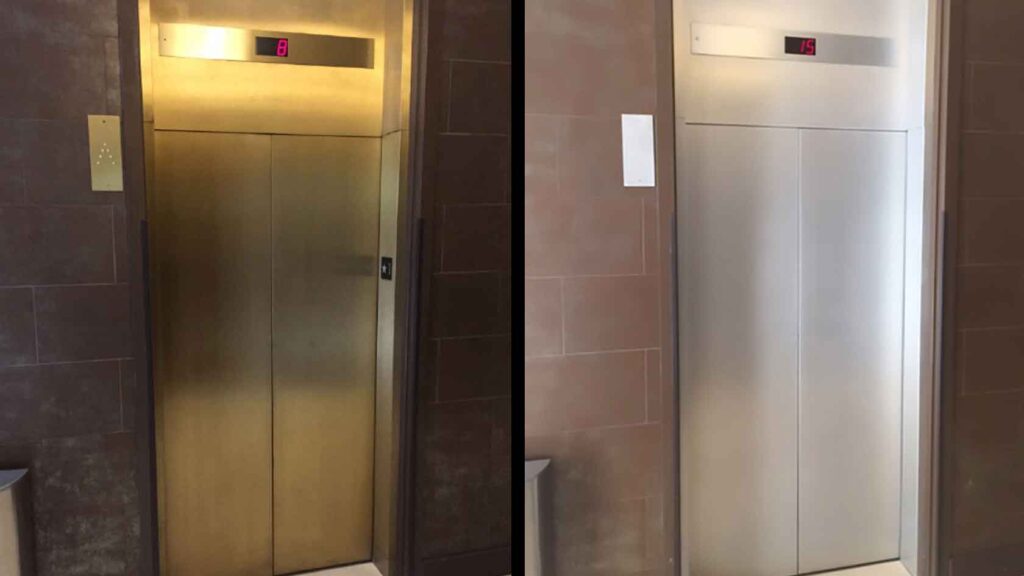
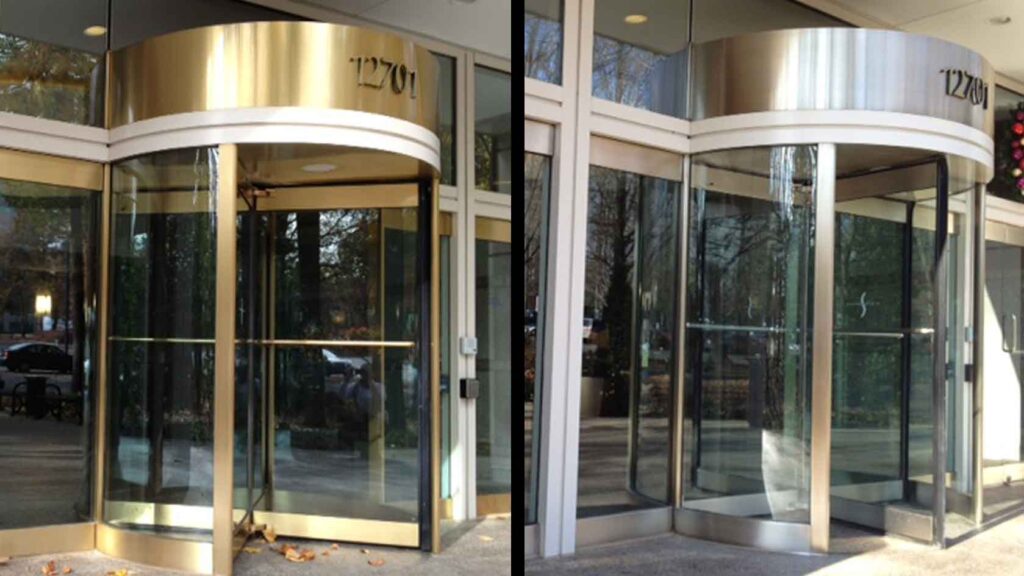
Finish Conversion Can Modernize Existing Architectural Metal

Finish Conversion Can Modernize Existing Architectural Metal

Architectural finishes play a significant role in the overall look of a commercial property. A bronze color that suited a building when it was originally designed may no longer align with a renovation, new brand standards or a more contemporary interior.

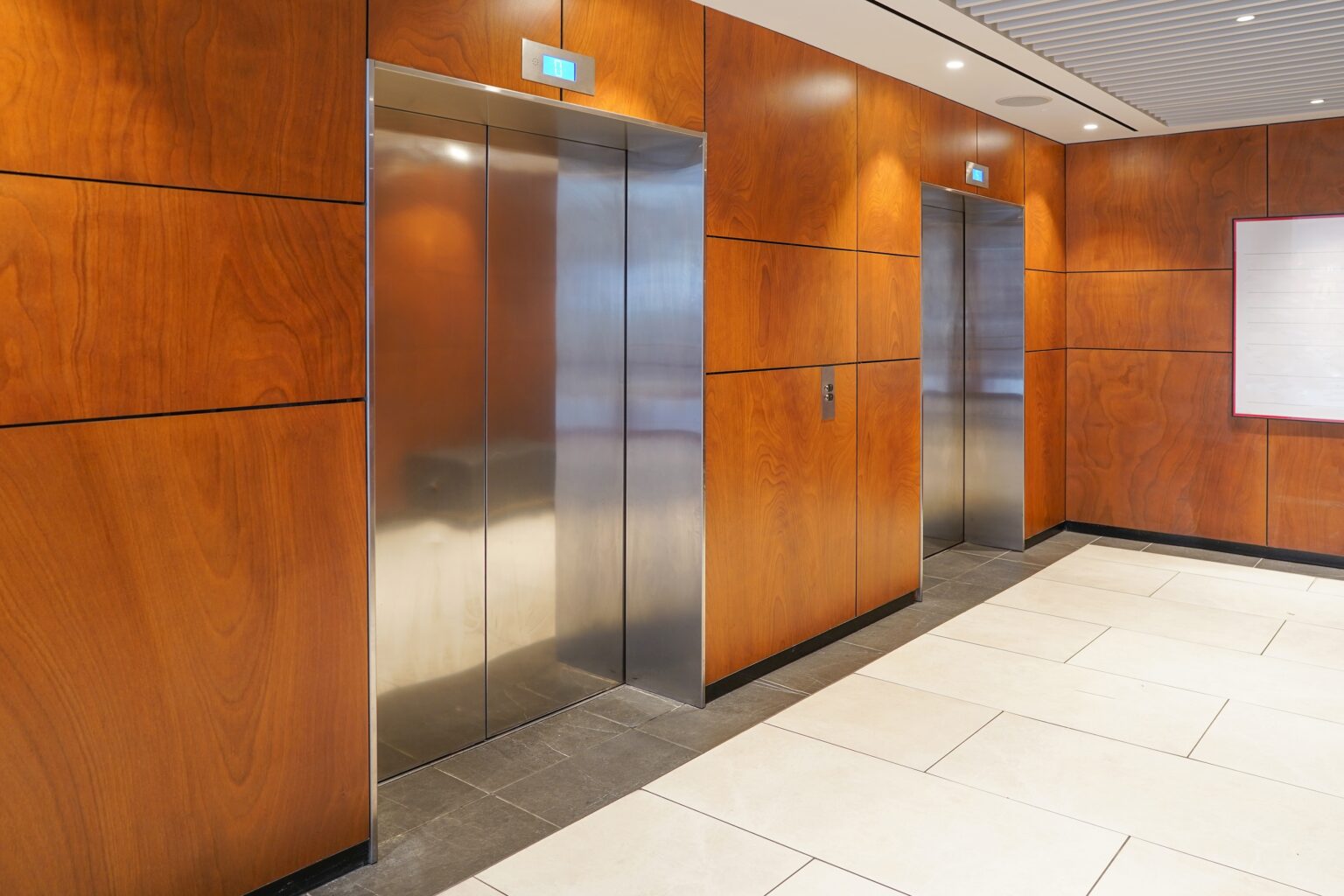
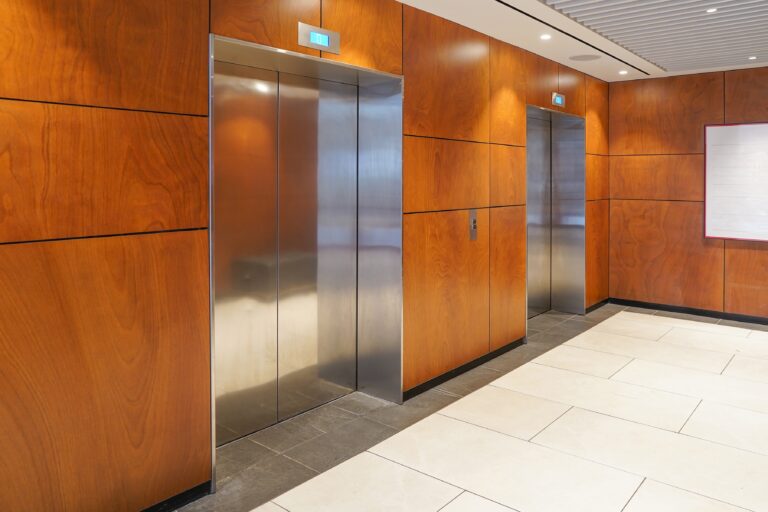
Consider a lobby renovation, for example. New stainless steel fixtures, doors or other design elements may contrast with existing bronze elevator surrounds and trim. Replacing every bronze component with new stainless steel is one expensive option, but it isn’t necessarily the only one.

Professional refinishing may allow property teams to:

  • Update an older bronze finish
  • Coordinate existing surfaces with new stainless steel elements
  • Create greater visual consistency throughout a property
  • Refresh metal affected by scratches, oxidation or everyday wear
  • Support a renovation or updated design without automatically removing existing components

This approach reflects a broader philosophy of preserving surfaces and protecting value. If an architectural component remains functional and its primary problem is its appearance, restoring or changing its finish may be worth considering before replacement.

That can be particularly important in occupied commercial buildings, where extensive removal and installation can affect building access, tenants, employees, customers and normal operations.

Many Commercial Building Surfaces May Be Candidates for Finish Conversion

Many Commercial Building Surfaces May Be Candidates for Finish Conversion

Bronze and brass have been widely used as decorative architectural metals, which means they can appear throughout a commercial property.

Potential candidates for a stainless steel-style finish can include:

  • Elevator doors, surrounds and landings
  • Building entrances and entry systems
  • Doors and frames
  • Wall panels and decorative trim
  • Railings
  • Façade-adjacent metal components
  • Other highly visible or high-touch architectural metal surfaces

Not every application is the same. An interior elevator surround experiences different conditions than an exterior metal surface exposed to water, dirt, weather and changing temperatures. Likewise, a frequently touched fixture or entrance may have different maintenance requirements than decorative metal installed out of reach.

The existing surface matters, too. Previous coatings, oxidation, scratches and other damage can influence whether the desired stainless steel finish is achievable and which restoration approach is appropriate.

For exterior components, the assessment may also overlap with broader façade restoration services and the condition of surrounding architectural surfaces.

Professional Finish Conversion Starts With the Existing Surface

Changing a bronze finish isn’t a one-size-fits-all process. Commercial architectural metal restoration starts by understanding the existing material, its condition and the result the property owner wants to achieve.

Assess the Existing Metal

First, a specialist evaluates the underlying metal and current finish. This includes identifying existing coatings and looking for oxidation, scratches, surface damage or other deterioration that could affect the restoration.

The assessment also helps determine whether the metal itself remains suitable for restoration or whether repair, replacement or another intervention should be considered.

Establish the Desired Appearance

“Stainless steel look” can describe a range of appearances. Color, sheen, texture and surrounding finishes all influence the target result.

This is especially important when existing bronze is being refinished to coordinate with nearby stainless steel. Elevator banks, entrance systems and repeated architectural elements can make inconsistencies particularly noticeable.

Prepare and Refinish the Surface

Once the existing metal and desired appearance are understood, the appropriate preparation and refinishing system can be selected. The specific process depends on the substrate, existing coating, condition, application and project requirements.

This is one reason commercial finish conversion differs significantly from DIY approaches involving a wire brush, off-the-shelf chemicals or a coating product. The goal isn’t simply to add a silver-colored layer. It’s to create a professional architectural finish appropriate for the specific surface and environment which will hold up to everyday usage and maintain its appearance.

Protect and Maintain the New Finish

The work doesn’t necessarily end when the desired appearance is achieved. Cleaning and ongoing maintenance should be appropriate for the newly refinished surface and how it is used.

A maintenance plan can be particularly valuable for high-touch areas and properties with multiple matching architectural elements.

Refinishing vs. Replacement Depends on the Existing Metal and Project Goals

Should you refinish bronze or replace it with stainless steel? There isn’t one answer for every property.

If the underlying metal remains functional and the main concern is appearance, refinishing may provide an opportunity to preserve existing components while updating their look. Replacement may make more sense when components have extensive damage, are no longer suitable for their intended use or need to change for reasons beyond appearance.

Some of the main factors to consider include:

Consideration Refinishing Replacement
Existing material Preserves a suitable existing substrate Existing component is removed or covered
Appearance Updates or restores the existing finish Introduces new material
Construction May reduce removal and installation requirements Typically requires removal, fabrication and/or installation
Disruption May help limit disruption in appropriate applications Can involve a larger construction scope
Best suited for Serviceable components with primarily finish-related needs Components requiring material or functional replacement

Cost is another important consideration. While the final price depends on factors such as project size, existing conditions, accessibility, finish requirements and the extent of restoration needed, the conversion process is typically significantly less expensive than replacement.

The better question is whether replacing a functional component is necessary to achieve the project’s goals. For some properties, preserving and refinishing existing metal can support a broader long-term asset strategy without the scope of full replacement.

Durability Depends on the Surface, Environment and Maintenance

A professionally refinished bronze surface can provide a durable architectural finish, but there is no universal lifespan for every application.

Performance can depend on factors including:

  • Condition of the original metal
  • Interior versus exterior exposure
  • Moisture and other environmental conditions
  • Frequency of contact and traffic
  • Surface preparation and refinishing system
  • Cleaning practices and ongoing maintenance

A high-touch elevator door, for example, has different demands than decorative trim in a low-contact location. Exterior architectural metal faces another set of conditions entirely.

Ongoing care should therefore be matched to the specific finish and environment. Appropriate cleaning and maintenance can help preserve visual consistency and address wear as it develops.

Understanding the behavior of different metals is also important. Stuart Dean’s resource on oxidizing stainless steel provides additional insight into the appearance and maintenance of architectural stainless steel surfaces.

When Should You Call an Architectural Metal Restoration Specialist?

Finish conversion becomes particularly valuable to explore when a property owner wants to change the appearance of existing architectural metal but isn’t sure replacement is necessary.

A professional assessment may be especially helpful when:

  • The property is occupied and minimizing disruption is important
  • Multiple surfaces need a consistent finish
  • Existing bronze has scratches, oxidation or coating failure
  • The project involves historic or architecturally significant elements
  • A finish needs to be replicated across several areas or properties
  • The owner is weighing restoration against replacement

An architectural metal specialist can evaluate both sides of the equation: the condition of what you already have and the appearance you want to achieve.

Stuart Dean has specialized in restoring and maintaining architectural surfaces since 1932, with experience supporting commercial and institutional properties across the United States. That experience can help property teams determine whether refinishing is appropriate or whether repair, replacement or another approach better fits the project.

Frequently Asked Questions About Converting Bronze to a Stainless Steel Look

No. Bronze and stainless steel are different metals, so the underlying bronze does not become stainless steel. However, the bronze surface may be professionally refinished to create a stainless steel appearance.

It can reduce the need to remove and replace existing components in appropriate applications, but cost depends on the condition of the metal, project scope, desired finish and other requirements. A project-specific assessment is the best way to compare the options.

Durability depends on the condition of the base metal, environment, traffic, surface preparation, refinishing system and ongoing maintenance. High-touch and exterior surfaces may have different maintenance needs than lower-contact interior metal.

Yes. Exterior applications require additional consideration because the metal may be exposed to moisture, dirt, weather and other environmental conditions. The existing surface and desired finish should be professionally evaluated.

Cleaning and maintenance should be matched to the specific finish, metal surface and exposure conditions. An ongoing maintenance program can help address wear and maintain a consistent appearance over time.

Modernize Architectural Metal Without Automatically Replacing It

Changing from a bronze to stainless steel appearance doesn’t necessarily require replacing the underlying architectural metal.

When existing components remain suitable, professional refinishing may provide another way to modernize their appearance, coordinate them with surrounding stainless steel and preserve the original substrate.

The right solution starts with the existing surface. Stuart Dean can assess architectural metal, identify appropriate restoration options and help determine whether refinishing or replacement makes sense for your property.

Contact Stuart Dean to discuss your architectural metal restoration project

Latest News

Stay up to date on the latest news

Can Bronze Be Refinished to Look Like Stainless Steel?
What a Construction Punch List Includes
Architectural Coatings: Protecting and Restoring Commercial Building Surfaces
All news
Get started