Metal
Metal Stone
Stone Wood
Wood Façade
 Ancillary Services
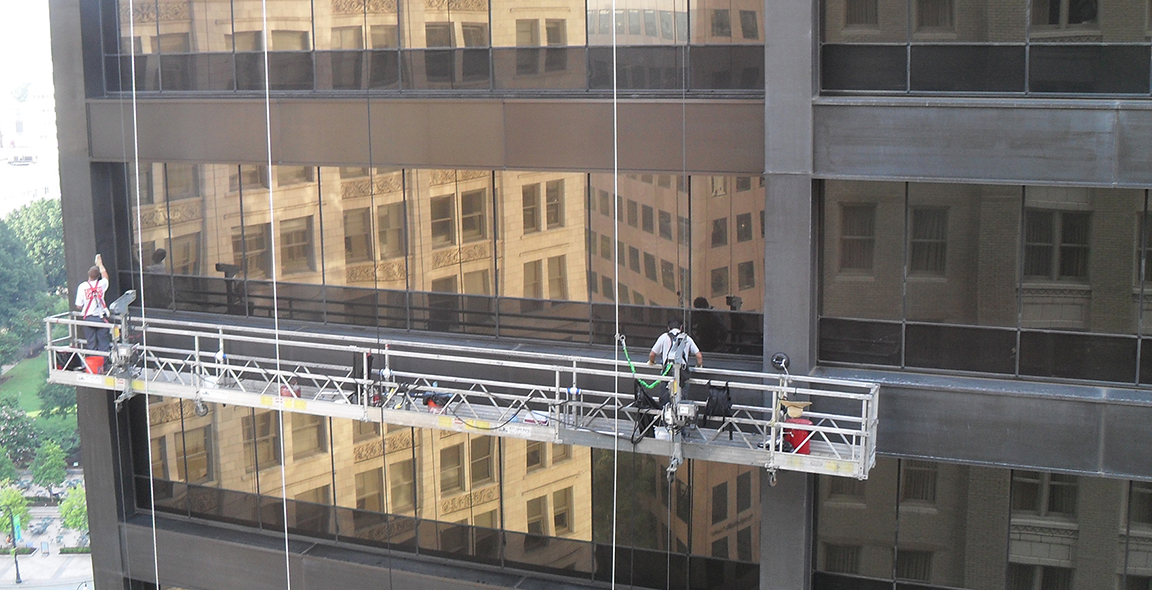
Architectural Coatings: Protecting and Restoring Commercial Building Surfaces
A commercial building’s exterior is exposed to sun, rain, pollution and other environmental conditions every day. Over time, that exposure can wear down finishes, diminish curb appeal and contribute to premature deterioration.
Architectural coatings offer a cost-effective way to restore and protect exterior building surfaces without immediate replacement. As a national field applicator, Stuart Dean specializes in applying high-performance coating systems to commercial buildings. In this guide, you’ll learn how architectural coatings work, the different types available, where they’re used and why certified application matters.
What Are Architectural Coatings for Commercial Buildings?
Architectural coatings are specialized protective systems engineered for commercial buildings—not residential paint. Designed for metal façades, curtain walls, aluminum panels and other architectural surfaces, they help protect building materials from UV exposure, moisture, corrosion and weathering while restoring appearance and extending service life.
These high-performance exterior architectural coatings are commonly used as part of a building restoration strategy, helping preserve existing materials and delay costly replacement. Depending on the project, they may be applied to:
- Aluminum façades and panels
- Stainless steel
- Bronze
- Curtain wall systems
- Architectural trim
- Other exterior metal surfaces
Choosing the right coating system depends on the building, substrate, environmental exposure and the condition of the existing finish. When properly specified and applied, architectural coatings can restore appearance, improve durability and protect commercial building surfaces for years to come.
As part of a comprehensive facade restoration strategy, protective coating systems can help preserve existing materials and delay costly replacement. Learn more about Stuart Dean’s facade restoration services.