Aluminum Curtain Walls: How to Maintain and Restore Commercial Building Facades
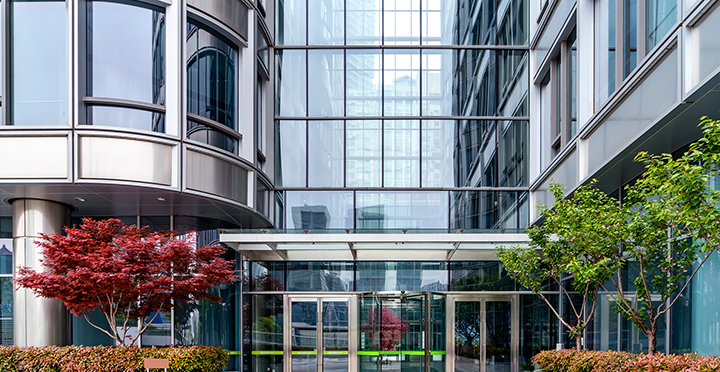
An aluminum curtain wall is a non-load-bearing exterior façade system that uses an aluminum frame to support glass and other cladding materials. Common on office towers, healthcare facilities, hotels and other commercial buildings, these systems protect the building envelope while contributing to energy efficiency and modern architectural design.
Although aluminum is highly durable, curtain walls are constantly exposed to UV radiation, moisture, pollution and other environmental conditions that can affect their appearance and long-term performance. This guide explains how curtain wall systems work, what causes them to deteriorate and when professional restoration may be a more practical alternative to replacement.
What Is an Aluminum Curtain Wall?
While the term curtain wall may sound structural, these systems don’t support the weight of the building. Instead, they attach to the building’s structural frame and serve as the outer skin of the façade, protecting the building from weather while supporting large areas of glass, metal panels and other cladding materials.
Most aluminum curtain wall systems consist of an aluminum frame made up of vertical mullions and horizontal transoms that hold vision glass, spandrel panels and other glazing components in place. Many systems also incorporate thermal breaks, which help improve thermal insulation by reducing heat transfer through the framing.
Because they’re lightweight, durable and flexible in design, aluminum curtain walls are widely used on office buildings, hospitals, hotels, educational campuses and mixed-use developments. They create the clean, contemporary appearance associated with modern architecture while improving daylight, occupant comfort and thermal efficiency.
Although they’re sometimes confused with storefront systems, curtain walls typically span multiple floors and are engineered to accommodate larger expanses of glass and greater structural movement. As these systems age, routine maintenance and facade restoration services can help preserve their appearance and performance without the need for premature replacement.
What Causes Aluminum Curtain Wall Systems to Deteriorate?
Aluminum is valued for its strength, durability and natural corrosion resistance, making it an ideal material for commercial curtain wall systems. However, even the most durable aluminum curtain wall isn’t maintenance-free. Over time, exposure to the elements can gradually wear down protective finishes, affecting both the appearance and long-term performance of the façade.
Several factors contribute to curtain wall deterioration, including:
- UV exposure, which can fade finishes and reduce color consistency
- Oxidation, leading to chalking and finish breakdown
- Acid rain and air pollution, which can stain or etch architectural surfaces
- Salt exposure in coastal environments, accelerating surface degradation
- Water intrusion around aging seals and joints
- Dirt, grime and other environmental contaminants that accumulate over time
- Improper curtain wall cleaning methods or harsh chemicals that damage protective coatings
If left unaddressed, these issues can do more than diminish a building’s appearance. Surface deterioration may expose the underlying finish to further weathering, increase maintenance requirements and shorten the service life of the curtain wall system.
A proactive curtain wall maintenance program helps identify these issues early, allowing property owners to address minor damage before more extensive aluminum facade restoration becomes necessary.
Learn more about preserving surfaces and protecting value and how preventative maintenance can help extend the life of commercial building materials.
Cleaning, Restoration or Replacement: Which Option Is Right?
Not every aging curtain wall requires the same solution. The right approach depends on the condition of the finishes, the extent of the damage and the overall performance of the system.
| Cleaning | Restoration | Replacement |
|---|---|---|
| Removes dirt, stains and environmental contaminants | Repairs oxidation, fading, coating failure and surface deterioration | Replaces damaged curtain wall components or the entire system |
| Best when protective finishes remain intact | Preserves existing materials while restoring appearance | Typically reserved for systems that have reached the end of their service life |
| Routine maintenance | Can extend service life with minimal disruption | Often the most expensive and disruptive option |
Professional assessment is the best way to determine which solution is appropriate. In many cases, restoration can renew the appearance of an aluminum curtain wall and extend its service life without the cost, disruption or lengthy timelines associated with replacement. When structural components have been compromised, however, replacement may be the better long-term investment.
How Are Aluminum Curtain Walls Professionally Restored?
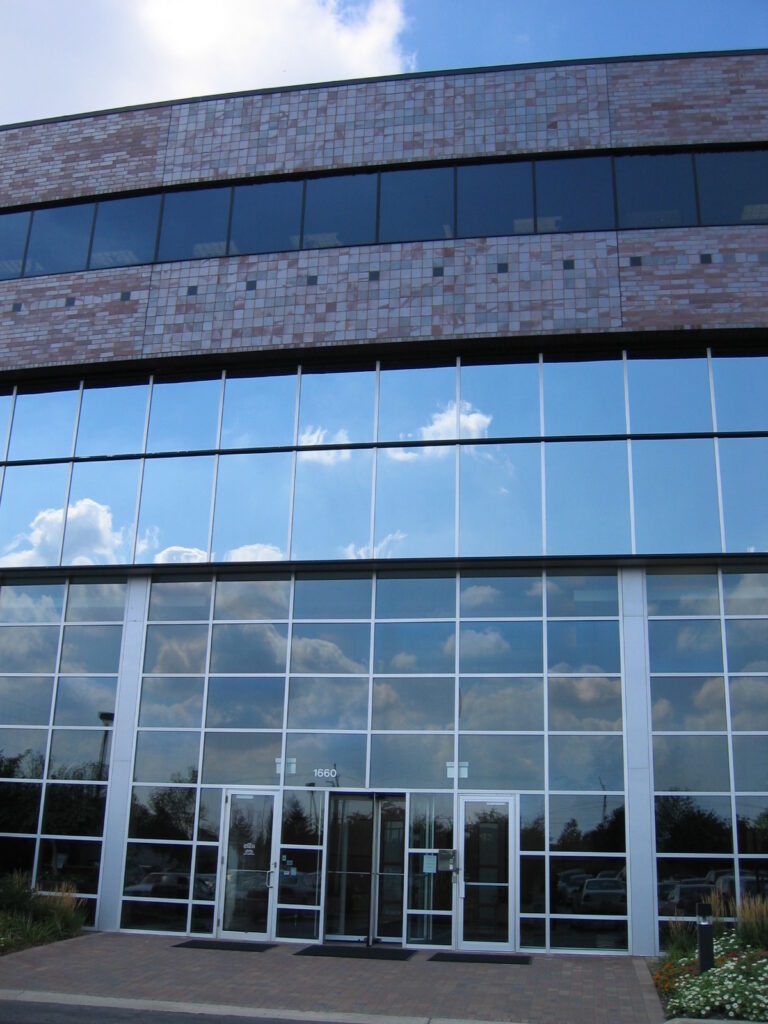
Every aluminum curtain wall restoration project begins with a thorough assessment. The goal is to determine the condition of the existing finish, identify areas of deterioration and recommend the most appropriate restoration strategy.
While every project is unique, the restoration process generally includes the following steps:
- Comprehensive inspection and assessment: Specialists evaluate the condition of the aluminum, existing coatings, joints and surrounding surfaces to determine the appropriate restoration approach.
- Surface cleaning and contaminant removal: Dirt, oxidation, pollutants and other contaminants are carefully removed to prepare the surface for restoration. Proper preparation is critical to the performance of any curtain wall coating system.
- Surface preparation and repairs: Oxidized finishes, scratches and other localized defects are repaired or treated as needed to create a uniform surface for recoating.
- Application of fluoropolymer protective coatings: High-performance fluoropolymer coatings are field-applied to restore color, gloss and weather resistance while protecting the aluminum from future environmental exposure.
- Final inspection: The completed restoration is inspected to verify finish quality, color consistency and overall workmanship before the project is complete.
Throughout the restoration process, Stuart Dean follows manufacturer specifications and carefully monitors environmental conditions to promote proper coating adhesion and long-term performance. As a certified applicator for many High-Performance Coatings, Stuart Dean has the specialized expertise to restore architectural aluminum finishes using proven restoration systems.
How Protective Coatings Extend the Life of Aluminum Curtain Walls
Protective coatings do more than improve the appearance of an aging façade — they play an important role in preserving the long-term performance of an aluminum curtain wall.
Modern fluoropolymer coating systems are designed to:
- Restore color and gloss to weathered finishes
- Protect against UV degradation and oxidation
- Resist moisture, air pollution and other environmental contaminants
- Reduce future maintenance requirements
- Delay costly restoration or replacement projects
Unlike replacement, these coatings are applied in the field, allowing many aluminum curtain wall systems to be restored without removing existing framing or façade components. This approach minimizes disruption while helping protect the building’s exterior for years to come.
Why Commercial Building Owners Choose Restoration Over Replacement
For many commercial properties, restoration offers a practical alternative to replacing an entire curtain wall system. When the underlying aluminum remains structurally sound, restoring the existing finish can improve appearance, extend service life and reduce project costs.
Additional benefits include:
- Less disruption to tenants, occupants and daily operations
- Faster project timelines compared to replacement
- Preservation of existing building materials
- Improved curb appeal and property value
- Reduced construction waste that may support broader sustainability initiatives
While replacement is sometimes necessary, professional restoration often allows building owners to maximize the value of their existing façade before considering a more extensive capital project.
Many properties also benefit from complementary stone restoration services and wood restoration services, helping preserve the appearance of the entire building envelope through a coordinated restoration strategy.
Frequently Asked Questions
1. What is an aluminum curtain wall?
An aluminum curtain wall is a non-load-bearing exterior façade system that attaches to a building’s structural frame. It protects the building envelope while supporting glass and other exterior cladding materials.
2. How is a curtain wall different from a storefront system?
Storefront systems are typically installed at ground level and span a single floor. Curtain wall systems extend across multiple floors and are engineered to withstand greater structural movement and wind loads.
3. How often should an aluminum curtain wall be cleaned?
Cleaning frequency depends on the building’s location, environmental exposure and manufacturer recommendations. Buildings in urban, industrial or coastal environments typically require more frequent maintenance.
4. Can oxidized aluminum curtain walls be restored?
Yes. If the underlying aluminum remains structurally sound, oxidation, fading and coating deterioration can often be addressed through professional restoration rather than replacement.
5. What is a fluoropolymer coating?
A fluoropolymer coating is a high-performance protective finish designed to resist UV exposure, moisture, pollution and weathering while restoring the appearance of architectural aluminum.
6. When should a curtain wall be restored instead of replaced?
Restoration is often appropriate when the curtain wall’s finishes have deteriorated but the underlying system remains structurally sound. A professional assessment can determine the most effective approach.
7. How long do protective coatings last on aluminum curtain walls?
Service life varies depending on the coating system, environmental conditions and ongoing maintenance. Following a regular maintenance program helps maximize coating performance.
8. Can curtain wall restoration be completed without replacing the façade?
In many cases, yes. Professional restoration allows existing aluminum curtain wall systems to be renewed in place, reducing costs, minimizing disruption and extending the service life of the façade.
Protect the Performance and Appearance of Your Aluminum Curtain Wall
Routine maintenance and timely restoration can help protect the appearance and performance of aluminum curtain wall systems for decades. In many cases, aging finishes can be professionally restored without replacing the existing façade, saving time, reducing disruption and extending the life of the building.
For more than 90 years, Stuart Dean has helped commercial property owners restore and preserve architectural metal and façade systems nationwide. Contact Stuart Dean to discuss your curtain wall restoration project and learn which restoration strategy is right for your building.