What a Construction Punch List Includes
Article

What a Construction Punch List Includes

A construction punch list documents incomplete, defective or nonconforming work that needs to be addressed near substantial completion of a construction project. It helps owners, contractors and construction teams identify remaining work, assign responsibility and verify corrections as the project moves toward final sign-off and project closeout.

Punch list items can range from functional problems to surface and finish issues such as scratched metal, damaged glass, inconsistent wood finishes or stained stone. A well-managed punch list helps make sure these final details aren’t overlooked before project completion.

Understanding who creates the punch list, what it should include and how the punch list process works can help project teams manage outstanding work and move through closeout more efficiently.

Construction Punch Lists Help Bring Projects to a Successful Close

A punch list is more than a checklist of cosmetic fixes. Near the end of construction, it gives the owner, architect, general contractor and other stakeholders a clear record of what remains incomplete or requires correction.

Effective punch list management can help:

  • Identify incomplete work and defects
  • Establish responsibility for corrections
  • Support quality control
  • Track outstanding work
  • Document progress toward final sign-off

Punch lists are closely associated with substantial completion, the stage at which a project is sufficiently complete for its intended use but some work may remain. Depending on the contract specification and project requirements, punch list completion may also factor into final acceptance, retainage and final payment. Addressing surface issues during this stage can also contribute to the longer-term goal of preserving surfaces and protecting asset value.

Owners, Contractors and Project Teams All Play a Role

Punch list creation is typically collaborative, although exact responsibilities vary by project and contract.

The owner may identify concerns, while an architect or designer may inspect work against plans and specifications. The general contractor typically coordinates corrective work, with subcontractors and specialty contractors addressing items within their scopes. A project manager may track responsibilities, deadlines and status.

Whatever the structure, each punch list item should have a clear owner and enough information for that person to understand what needs to be corrected.

Common Construction Punch List Items Range from Touch-Ups to Surface Damage

A punch list walkthrough may identify everything from incomplete installations to cosmetic defects. Common punch list items in commercial construction include:

  • Paint touch-ups or inconsistent finishes
  • Scratched or damaged architectural metal
  • Damaged glass
  • Wood finish defects
  • Stained, scratched or damaged stone or marble
  • Façade coating or finish issues
  • Cracked tiles or damaged flooring
  • Missing or loose hardware
  • Door or window adjustments
  • Incomplete sealants or caulking
  • Electrical or mechanical corrections
  • Final cleaning and construction debris

Highly visible areas such as entrances, lobbies, elevators and façades can require particular attention. A scratch or inconsistent finish might not affect how a space functions, but it can still detract from the appearance of the completed property.

Some defects may also require specialized expertise. Façade damage or finish inconsistencies, for example, may call for professional façade service solutions.

A Complete Punch List Documents More Than the Problem

An entry such as “repair door” or “fix wall” doesn’t give a contractor much to work with. An effective punch list template should typically include the item description, exact location, responsible party, priority, due date, status, photos and relevant notes.

A construction punch list template might look like this:

Item Location Responsible Party Due Date Status Notes
Scratched metal finish Main lobby, elevator 2 Specialty contractor [Date] Open Photo attached
Paint touch-up Suite 410, east wall Painting contractor [Date] In progress Reinspect
Damaged stone Main entrance Specialty contractor [Date] Open Assess restoration

Photos can be particularly useful for surface and finish defects because they provide a visual reference before and after corrective work. Punch list software or a punch list app can help centralize this information, but the tool doesn’t replace the need for clear descriptions, ownership and verification.

The Punch List Process Moves from Inspection to Final Sign-Off

Although workflows vary among construction projects, the punch list process typically follows six steps.

1

Conduct the Final Walk-Through

Near substantial completion, stakeholders conduct a punch walk to identify incomplete, defective or nonconforming work.
2

Document Each Issue

Record the problem, its exact location and relevant details such as photographs or priority.
3

Assign Responsibility

Identify the contractor, subcontractor or specialty contractor responsible for each correction and establish appropriate deadlines.
4

Complete the Corrective Work

Responsible parties repair, adjust, restore, replace or otherwise resolve their assigned punch items.
5

Reinspect and Verify

Review completed work to confirm that the original defect has been addressed and applicable project requirements have been met.
6

Complete Final Sign-Off

Once remaining items have been resolved, they can be closed as the project moves toward final acceptance, project closeout and any applicable final payment.

A Rolling Punch List Can Make Closeout More Manageable

Punch list management doesn’t have to begin with the final walk-through. A rolling punch list identifies and addresses issues as construction progresses. This approach can help construction teams catch recurring quality issues earlier, establish responsibility while work is underway and prevent a large number of unresolved punch items from accumulating near project completion.

Whether teams use a spreadsheet, punch list software or construction management software, the fundamentals remain the same: clearly document the problem, assign responsibility and verify the correction before closing the item.

A Punch List Is Different from a Construction Checklist

Although the terms are sometimes used interchangeably, they generally serve different purposes.

A construction checklist can be used throughout a project to guide tasks, inspections and procedures. A punch list is typically used in the later stages of construction and identifies specific work that remains incomplete or needs correction before final acceptance.

Some markets also use the term snag list for a similar concept, while “punch list” is more common in the U.S. construction industry.

Specialty Restoration Can Help Resolve Surface Issues During Closeout

Not every damaged surface identified on a construction punch list needs to be removed and replaced.

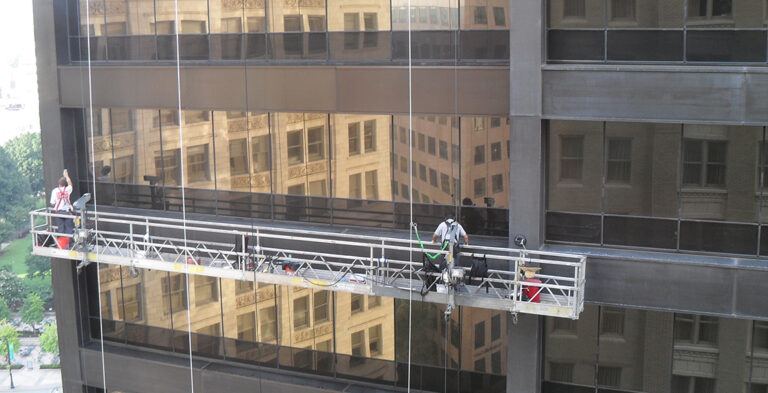
Construction activity can leave architectural surfaces with scratches, staining, coating defects and other finish issues. Depending on the material and extent of damage, a qualified specialty contractor may be able to restore or refinish the affected surface instead.

Stuart Dean supports construction and other industries with expertise across architectural metal, glass, façades, wood, stone and marble. The appropriate response depends on the substrate, type and extent of damage, desired finish and project requirements. Stuart Dean’s Façade division specializes in the field application of high-performance coatings to correct surface defects, damage, or color changes during construction. Stuart Dean’s wood restoration services and marble protection illustrate some of the specialized approaches available for architectural surfaces.

Just as important, corrective work shouldn’t create new punch list items. Repairing one surface while scratching, staining or damaging an adjacent material simply creates another problem to resolve. This makes careful preparation, protection and quality control particularly important in finished lobbies, entrances, elevators and other high-visibility areas.

Stuart Dean's technology and technical capabilities further support its approach to restoration and maintenance across architectural surfaces.

Learn more

Frequently Asked Questions About Construction Punch Lists

The main punch list is generally created near substantial completion, often during a final walk-through. However, teams may maintain rolling punch lists throughout construction to identify and resolve issues earlier.

After corrective work is completed, punch items are typically reinspected and verified before being closed as the project moves toward final acceptance.

It can. The relationship between punch list completion, retainage and final payment depends on the project's contract and requirements, so it should not be assumed to work the same way for every construction project.

Yes. Architectural metal, glass, stone, marble, wood and façade defects may require specialized restoration knowledge. A specialty contractor can assess the damage and determine an appropriate remediation approach.

Yes. Often items are installed and cannot be easily removed without affecting adjacent objects. Depending on the level of damage, punch list items can be restored or re-coated in place without having to remove or disturb any of the surrounding finishes.

Close Out Surface Issues with the Right Expertise

A successful construction punch list ultimately comes down to resolving remaining work to the required standard. Surface and finish defects can be particularly challenging because replacement may be disruptive or unnecessary, while an improperly executed repair can create additional problems.

With restoration experience dating back to 1932, Stuart Dean can assess punch list items involving architectural metal, glass, stone, marble, wood and façade surfaces and identify an appropriate remediation approach for the specific project.

Contact Stuart Dean to discuss surface-related punch list needs for your construction project

Latest News

Stay up to date on the latest news

What a Construction Punch List Includes
Architectural Coatings: Protecting and Restoring Commercial Building Surfaces
Glass Scratch Removal: When to Polish, When to Call a Professional
All news
Get started